From First Play to Repeat Viewing: Planning a Branded OTT Service That Works for Its Audience
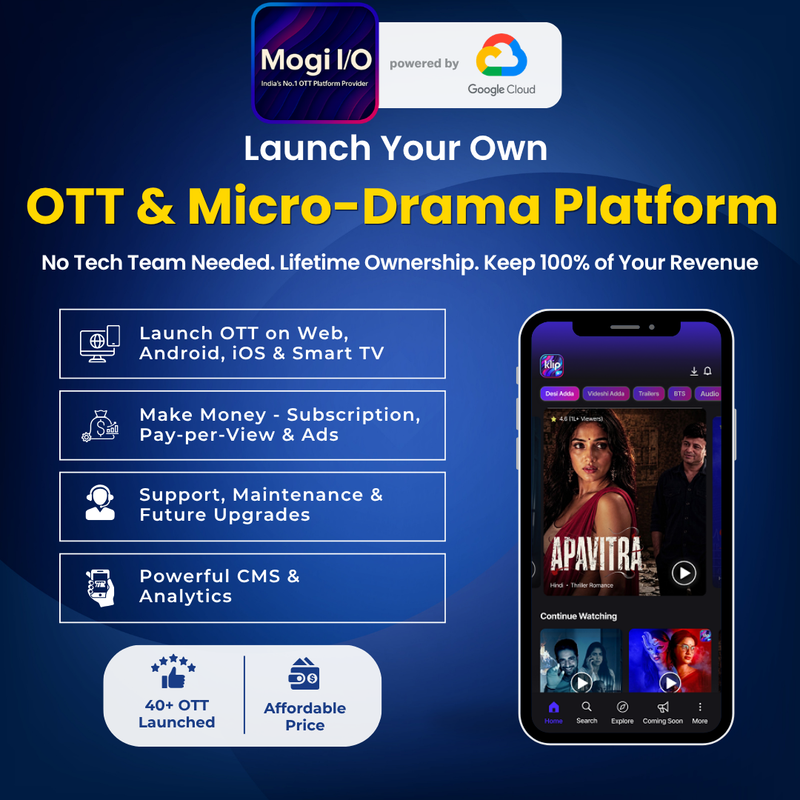
Streaming services are frequently evaluated by their content catalogues, yet the audience experiences far more than the available videos. They move through account creation, content discovery, programme selection, video playback and the decision to return. Each stage can strengthen their interest or create a reason to leave. For organisations building their own branded streaming platform, designing the entire viewing journey matters just as much as choosing the technology behind it.
A white label solution may offer a ready-made technical starting point for distributing video content using an organisation's branding. Even so, obtaining streaming technology does not by itself produce a valuable viewing experience. The central task is ensuring that the platform's features suit the audience, operational processes and available financial resources. A sensible strategy considers what viewers need first, then determines the infrastructure necessary to deliver that experience.
Identify Audience Viewing Requirements Before Selecting Features
Before evaluating software options, determine what would motivate viewers to use the planned service. Educational viewers may look for clearly arranged lessons that allow them to pick up where they stopped. Audiences interested in regional entertainment may appreciate content in familiar languages and a thoughtfully curated library. People watching a live competition may place the greatest importance on reliable viewing at the scheduled time.
These audience requirements shape virtually every aspect of the service. Organising searchable lessons involves different priorities from presenting a schedule of live broadcasts. Short episodes designed for mobile viewing create different browsing expectations from lengthy documentaries. Platform features should address these requirements instead of being added simply because competitors provide them.
One practical place to begin is by outlining a representative viewing session. Think about why someone arrives at the platform, which content they hope to discover and what would make the experience valuable. This gives the business a concrete basis for evaluating a video platform while determining the features that are necessary for the first version.
Recognise the Difference Between Video Hosting and OTT
When businesses ask, “What is an OTT platform?”, their main concern is often the difference between operating a complete streaming platform and merely making video files available. OTT refers to over-the-top content delivery: viewers receive media through an internet connection rather than relying on traditional cable or satellite systems.
Video hosting provides the storage and delivery foundation. Some providers also offer video processing, embeddable players and content administration tools. A more comprehensive OTT service integrates video delivery with account management, catalogue browsing, access controls, branded applications and commercial payment options.
This separation is significant since not every business needs the same degree of technical infrastructure. A business providing periodic training recordings might have limited use for a dedicated streaming application. An organisation offering paid viewing may require a substantially broader customer-facing service. Deciding which model is suitable requires a clear understanding of the relationship between the material, its viewers and the business distributing it.
Simplify the First Viewing Experience
A new viewer should understand the service before investing significant effort in it. Clear content descriptions, useful categories and straightforward access information help establish what is available. Ambiguous category names and confusing payment requirements can discourage viewers before they begin watching.
Consider how much information registration really requires. Each extra action in the registration process should serve a clear function. If viewers must register, they should understand why an account is needed and what follows registration. Paid access should make the offer understandable, including its duration and any relevant restrictions.
The first session also needs a clear destination. A new subscriber who reaches an empty-looking home screen or an unfamiliar catalogue may struggle to choose. Thoughtful editorial selections, recognisable categories and accurate descriptions can help. These are content and design decisions as much as technical ones, and they need consideration before the service reaches a larger audience.
Test Playback Under Ordinary Conditions
A successful demonstration under ideal connection conditions does not represent the entire viewing experience. Audiences may access videos through older mobile devices, shared domestic networks or hardware with limited performance. Testing should reflect the conditions the intended audience is likely to encounter.
Adaptive bitrate technology can adjust video quality according to changes in connection performance, although the feature itself cannot guarantee acceptable playback performance. Organisations should measure video start times, the frequency of playback disruptions and whether visual clarity suits the content. For instance, an instructional video with fine text needs a different level of visual detail from a basic presenter-led recording.
Real-time viewing requires additional preparation because technical issues may affect viewers immediately. Pre-event testing should examine the production signal, access restrictions and the final viewer experience. Checking the full content-delivery process helps uncover problems that may not appear when separate systems are tested independently.
Organise a Content Catalogue for Easy Discovery
Content organisation becomes harder as a library grows. A limited library may only require general categories, whereas an extensive catalogue benefits from standardised titles, summaries, language details and connections between related content.
Setting clear editorial guidelines from the outset makes catalogue organisation easier. Establish consistent descriptions for series, seasons, individual episodes and independent videos. Identify the people responsible for checking cover artwork, caption information and publishing dates. Inconsistent information can make valuable material difficult to find even when the platform’s search function works correctly.
An online video app should make it straightforward for audiences to resume previous viewing. Relevant functions could involve remembering viewing progress, saving chosen content or displaying episodes in a logical order. The central requirement is a consistent experience: someone returning after several days should be able to recognise their place and choose the next useful item without reconstructing their previous session.
Choose Payment Arrangements That Match Content Value
Some content Name a video streaming service providers benefit from recurring subscriptions, but this approach may not fit every new service. Regularly refreshed content can make an ongoing subscription more appropriate. A specialised event might be better presented as a one-time purchase. Educational material might be sold as a defined collection rather than unrestricted access to everything.
An advertising-supported approach brings additional considerations. The business must consider whether interruptions fit the viewing experience and whether its operational arrangements support the proposed model. A mixture of advertisements and paid subscriptions can lead to uncertainty when the benefits and limitations of each option are unclear.
The evaluation of a white label SaaS platform should begin with its ability to accommodate the proposed payment arrangements. Check whether the platform accommodates the intended purchasing methods, access timeframes and account-level permissions. Equally, consider how failed payments, cancellations and refunds will be handled. These everyday situations influence trust and workload, even though they may receive less attention than the initial purchase screen.
Translate Platform Pricing into Real Viewing Costs
Paying for access to a streaming platform is only a portion of ongoing expenditure. Costs for content storage, video conversion, streaming traffic, application support and other functions may either be bundled into allowances or billed individually. Evaluating advertised subscription fees without checking what they include may lead to inaccurate comparisons.
Develop a small number of plausible usage scenarios. The first could represent a limited content library and relatively low audience activity. Another scenario could consider longer playback sessions or many more viewers accessing the service at once. Broadcasting a live event can generate intense delivery demand over a short period, unlike consistent on-demand consumption.
The objective is to identify the factors that influence operating expenses. Examine the methods used to measure activity, the services that attract charges and the consequences of exceeding included limits. A free OTT platform or entry-level package may help with experimentation, but its suitability depends on the actual requirements. A financially practical plan considers projected audience activity alongside every operating expense instead of focusing exclusively on software subscriptions.
Distinguish Branding from Operational Control
Customising brand graphics and colours may give the platform a familiar business appearance, yet visual customisation does not always mean the organisation controls every service function. Organisations need to identify the interfaces, functions and processes they can customise and those governed by the vendor's existing software.
Application ownership and publishing arrangements also deserve attention. Clarify which party handles new versions, how changes are submitted and who responds to problems affecting particular devices. The usefulness of a white label platform is influenced by how effectively operational duties are assigned between the business and its provider.
The same applies to audience information. Assess access to audience information, the ability to export relevant data and the compatibility of integrations with daily business operations. These questions help distinguish a service that looks independent from one that also supports the organisation’s day-to-day management requirements. Both appearance and control matter, but they should be evaluated separately.
Design Content Access According to Licensing Requirements
A video streaming organisation must understand precisely which content it has the right to provide. Content permissions can vary according to geographic region, authorised access duration, supported device types or permitted commercial activities. The platform must be capable of supporting the restrictions relevant to the catalogue.
Verifying accounts, controlling viewing rights and protecting content are closely related activities, but they address different requirements. Being logged into an account does not automatically mean a viewer can access all programmes. In the same way, purchased access may remain valid only for an agreed timeframe. These distinctions should be reflected consistently in the viewer experience.
Content security features should also be assessed with practical expectations. These measures may restrict improper access and discourage particular forms of misuse, although no single capability provides total protection against copying. The practical objective is to align available controls with content obligations while keeping legitimate viewing reasonably straightforward. Excessive friction can undermine the experience the business is trying to provide.
Use Established Services as References, Then Set Your Own Priorities
A focused service may offer value through selection, specialist knowledge or access to material that is difficult to find elsewhere. Its advantage might be a well-organised professional library, carefully sequenced learning content or programming for a particular language community. The platform should be designed around such distinctive qualities.
Copying visible features without understanding their purpose can increase complexity. A content recommendation feature offers less value when fundamental catalogue organisation is unclear. Additional device applications may contribute little if the audience primarily watches on phones. Major platforms provide examples of established viewing habits, but the first release should be shaped by its target audience and the resources available to operate it.
Introduce a Manageable Streaming Service with Clear Ownership of Tasks
A controlled launch allows the business to observe real behaviour while the service remains manageable. The first release should support a complete viewing journey, even if the catalogue and device coverage are limited. Audiences must still be able to recognise what the service provides, watch the available programmes and obtain suitable assistance if problems arise.
Assign responsibility for publishing, payment issues, playback investigation and application updates. Define how the business will distinguish an isolated device problem from a wider delivery failure. Such responsibilities help avoid uncertainty when technical difficulties require cooperation between content operations and the technology provider.
Useful measurements should connect to practical decisions. Recurring playback errors require a different response from incomplete registrations or audiences who finish one title but do not return. Analysing these behaviours enables the team to determine whether better streaming performance, clearer service information or improved content selection is needed. Developing the platform becomes more controlled when additional features and content respond to needs supported by actual audience activity.
Conclusion
A branded OTT service succeeds through the combined quality of its content, viewing experience and daily operation. White label SaaS technology may offer a practical starting point, although organisations must still identify their viewers, structure their content libraries, evaluate expenses and establish operational ownership. Considering the entire viewer journey helps turn these decisions into practical requirements. The initial priority should be an accessible and reliable service, with future development guided by real audience behaviour and evidence of where additional investment would be valuable.